what is the 2nd (only to smoking) leading cause of preventable death in the u.s
The opioid crisis and deaths related to e-cigarette use among teenagers have dominated news headlines recently. Recently, the Centers for Disease Control and Prevention reported that 34 people had died as a result of vaping and, in 2017, opioid addiction was responsible for more than than 47,000 deaths in the U.S. Opioid habit has been alleged a public health emergency.
Nonetheless these serious public wellness threats obscure an ever-nowadays and growing cataclysm of obesity in the United states. Obesity is second simply to cigarette smoking every bit a leading preventable death in the U.S. Nearly ane in 5 deaths of African Americans and Caucasians age forty to 85 is attributed to obesity, a rate that is increasing across generations.
Clearly order needs improve strategies to address this public health emergency. Every bit a wellness economist who has spent decades studying ways to prevent disease, I believe there are some policy options that could help.
The American obesity crisis
Many factors contribute to obesity, including genetics, diet, physical inactivity, medications, lack of education and food marketing.
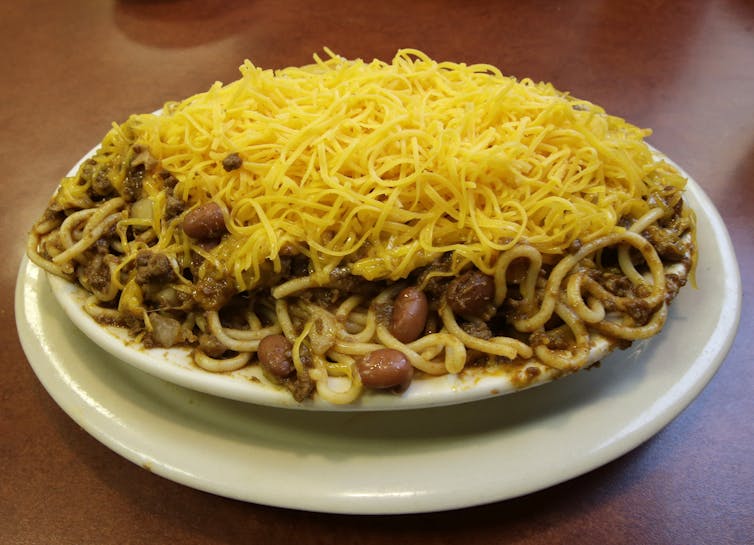
People who are obese face up heightened risk for diabetes, centre disease, stroke, high claret pressure and certain types of cancers, amidst other weather. The estimated annual medical toll of obesity in the United states of america is $147 billion, with most of those costs hit public programs such equally Medicare and Medicaid. Similar trends have been observed internationally amidst adult countries.
And then what can we practice nearly it? The massive public and private efforts to command smoking provide both a template for addressing obesity and a benchmark for social touch on. Tactics such as education, cigarette taxes, and smoke-free public spaces resulted in a 66% decline in smoking between 1965 and 2018, when cigarette smoking reached an all-time low of 13.7% amidst U.S. adults.
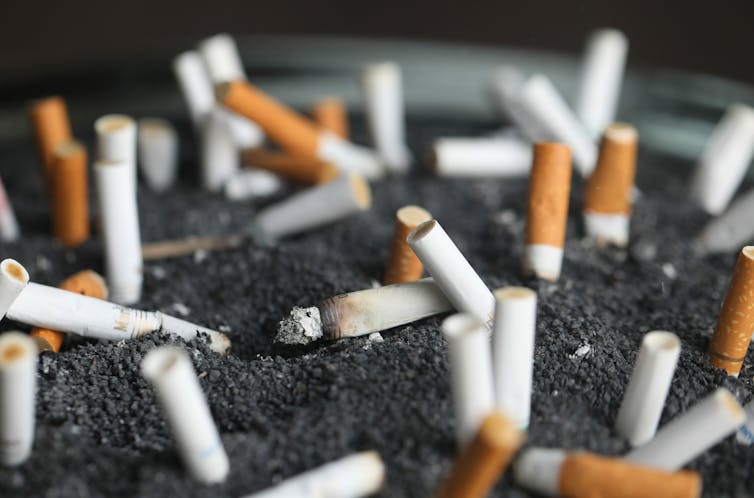
This issue is associated with major wellness improvements – reduced cardiovascular affliction, stroke, various cancers and bloodshed from lung cancer. Medicaid solitary saves an estimated $ii.5 billion a year from smoking-related health improvements.
From a public investment perspective, the potential bang for the cadet is even bigger for obesity than it is for tobacco. In my view, a successful anti-obesity campaign must encourage people to be less sedentary; invest in new medical treatments and diet science; and create regulatory and wellness insurance policies that reward behavioral change. Information technology also means broader admission to effective therapies.
Good ideas that aren't working
Our current accent on behavioral interventions has been disappointing. Society needs to find a fashion to talk virtually obesity and come up with means to deal with it that do not involve body-shaming Losing weight means eating less or exercising more, or both, but in that location are no guarantees with either arroyo. Getting people to practice is difficult. Nearly 80% of adults are non coming together the key guidelines for both aerobic and muscle-strengthening activeness.
Getting people to change their diet is similarly ineffective. According to one report, half of dieters had gained 11 pounds 5 years subsequently starting their nutrition; some progress just hardly enough. Similarly, nutritional labels have had little result on consumers' nutrient intake and body mass index.
Then what should policymakers practise? I recollect it is time to take several new approaches.
Economic models for health intervention
The intellectual property rights of companies that develop novel approaches to weight loss, such as mimicking the effects of exercise, should be protected and rewarded with patent police and other mechanisms. Currently, if a company discovers a way to get people to go for a walk with a new app or program, protection for intellectual holding and reimbursement is uncertain.
Given the stakes, the U.S. regime should offer greater rewards for behavioral interventions that can demonstrate long-term gains under the same rigorous regulatory standards similar to those required of new drugs. U.S. companies invest billions of dollars to develop pharmaceuticals. By dissimilarity, there is less social investment in other prevention activities.

While not a solution for anybody, gastric bypass and adaptable gastric banding, amid other procedures, take proven effective. New incentives could expand access to these surgeries by lowering the BMI threshold for eligibility. Some insurers have put up barriers to this treatment because obesity is not immediately life-threatening or related to our traditional notion of illness.
We need to find better ways to annuitize the cost of surgery and increase access while tying reimbursement to outcomes. Other insurers with an interest in long-term outcomes, including the life insurance industry, can play an important role. They take a vested financial involvement in avoiding bloodshed and disability merely have traditionally remained on the sidelines while Americans grow fatter.
Prove points to a 20% reduction in BMI persisting up to 10 years after surgery. In 2017, 228,000 Americans received bariatric surgeries. Of those, only 10% of are eligible under current criteria.
Another approach is to consider new medications and utilize the successful approach that has been used to fight high claret pressure. About 50 years agone, hypertension was considered untreatable. Nutrition and practice were the predominant means of controlling it. The discovery of multiple agents to gainsay hypertension, start with diuretics and beta blockers, proved transformative. A similar story emerged for elevated cholesterol. Well-nigh half the pass up in U.S. deaths from coronary heart disease can be attributed to medical therapies like these.
Several clinically proven anti-obesity medications are already available for people who do not respond to lifestyle modification. Furthermore, in that location is a robust clinical pipeline, with approximately 250 compounds under development, including dozens of novel compounds. Drugs such every bit these tin help change the trajectory of the obesity epidemic, if they are made widely bachelor and reimbursed — challenges in today'southward health care insurance organization.
Another avenue to consider includes levying taxes on sweetened beverages, or the so-chosen "soda revenue enhancement." I study institute that implementing a 1 cent per ounce soda revenue enhancement would reduce sugar-sweetened beverage consumption past 20% over 10 years. The result would exist a $23.6 billion savings in health care and improved population health.

Finally, the food and eating house industry deserves some of the blame. Restricting access – like the United States tried with the ban on the consumption and sale of alcohol – won't work. Merely responsible steps to regulate portions might.
Smart, bold strategies helped us address public health crises before, including smoking and hypertension. We need to be similarly aggressive with obesity if we desire to avert hundreds of thousands of unnecessary deaths. As we did with smoking, it is time to make obesity a number one public health priority.
[ Expertise in your inbox. Sign upwardly for The Chat's newsletter and get a digest of academic takes on today's news, every twenty-four hour period. ]
Source: https://theconversation.com/obesity-second-to-smoking-as-the-most-preventable-cause-of-us-deaths-needs-new-approaches-129317
0 Response to "what is the 2nd (only to smoking) leading cause of preventable death in the u.s"
Postar um comentário